When What Feels Real Isn’t
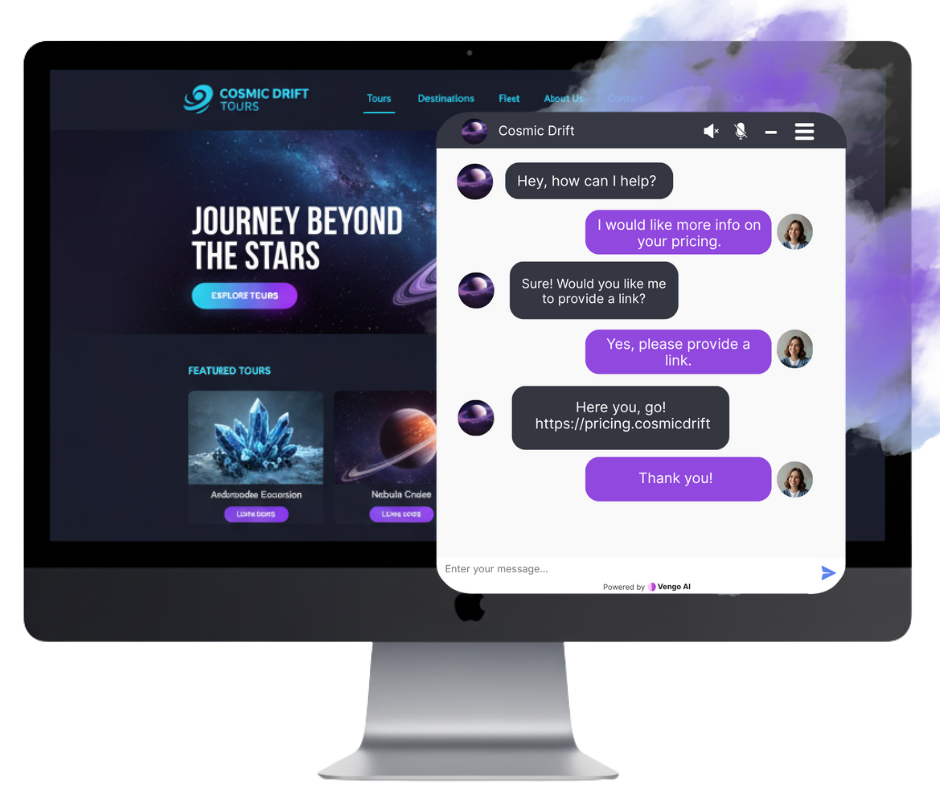
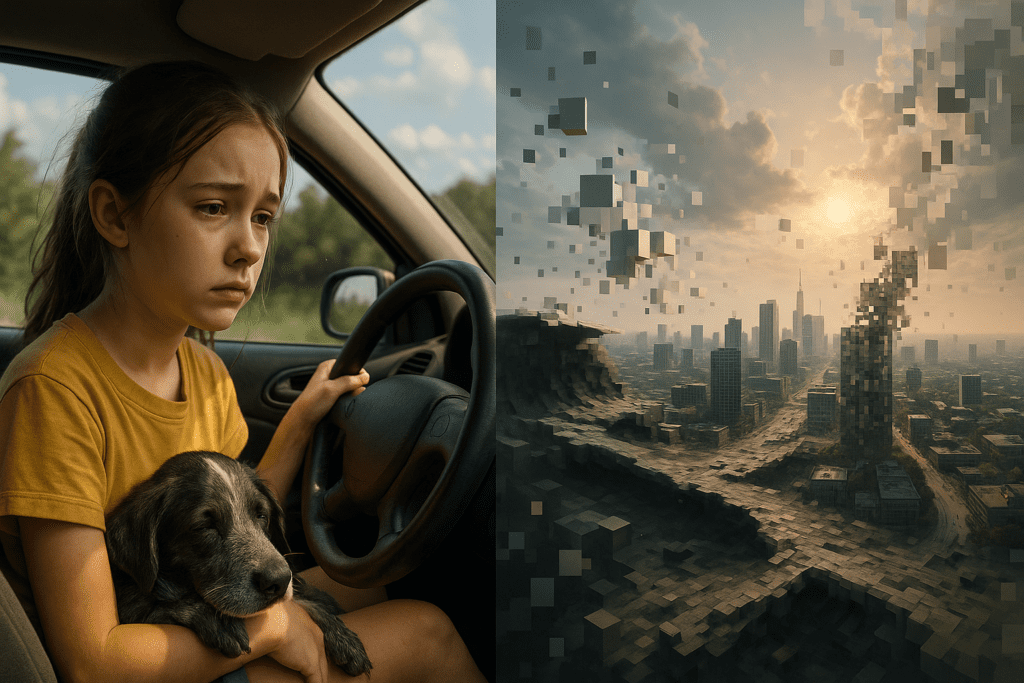
A few mornings ago, I watched a short video of what looked like a young girl driving her sick puppy to the vet. It was tender, raw, and emotional. Then the comments hit: the steering wheel didn’t exist, the dashboard melted into the frame, and the scene itself was stitched from nothing but statistical imagination.
In a matter of seconds, the moment collapsed. It wasn’t just that the video was fake. It was that it felt real enough to fool millions.
That’s the world Sora has opened.
A New Era of Video That’s Both Magical and Unsettling
OpenAI’s new text to video model has ignited social feeds. Describe a scene, press a button, and watch it come alive. What feels like a creative superpower to some feels like an existential threat to others.
Sam Altman insists these videos will “feel fun and new.” And in a sense, they do. But critics worry this shift could accelerate the collapse of any shared understanding of reality. Kashyap Rajesh, quoted in the article, captured the fear bluntly:
“The irony is that AI might end up saving human connection because they’re making us so desperate for the real thing.”
That line lingered with me. Maybe because it’s true.
When Everything Looks Real, What Happens to Trust?
Realistic AI videos don’t just blur lines. They bend them. And at scale, they reshape how people perceive the world.
• AI impersonations of public figures already exist
• Authenticity markers are easy to remove or forge
• Disinformation becomes cheaper and more believable
• The dopamine loops in social media intensify
Ben Colman, a security researcher, tested Sora and quickly found it could convincingly mimic well known personalities. His concern was blunt:
“It creates this low level paranoia within people that kills the spontaneity and magic of social media to begin with.”
When every video is suspect, every emotional reaction becomes a gamble.

The Strange Comfort and Chaos of AI Creativity
On the bright side, some people love this new reality. Meta’s Vibes, Google’s Veo 3, ByteDance’s Seedance. They’ve all embraced AI video as the next major content format. Users are already delighting in clips of talking gnomes, boxing celebrities, and surrealist daydreams made in seconds.
The danger isn’t creativity. It’s scale. AI video will flood platforms faster than human moderation or human comprehension can keep up. Some users are already unplugging, joining “Month Offline” movements just to reclaim a sense of control.
What This Means for the Way We Communicate
Whether we like it or not, the ground is moving. Authenticity used to be a shared anchor. Now, it’s becoming a skill, a practice, even a luxury. As AI pushes the boundaries of what we can fabricate, we’ll have to redefine how we discover what we can trust.
And that shift won’t just influence art. It will influence business, politics, journalism, education, relationships, and the basic emotional circuitry of how people connect.
A Thoughtful Pivot to What We Can Control
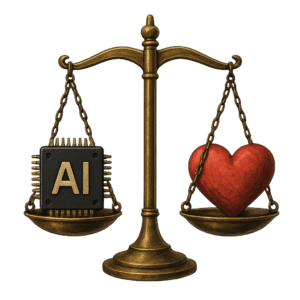
While the long term effects of AI video are still unfolding, one thing is clear. Authentic connection is becoming more valuable, not less. In a world where content can be manufactured instantly, what stands out is responsiveness, clarity, and genuine interaction.
That’s why tools like Vengo’s AI Agents matter right now. They don’t create synthetic illusions. They help real businesses communicate with real customers in real time. They turn confusion into clarity. They bridge the widening gap between attention and trust.
AI may be reshaping how we see the world, but how you use AI today will shape how your business succeeds in the middle of all this change.